
Pilsen 2026: The Map of European Youth Table Tennis and the Seeding Trap
**Core answer**: Czech Open 2026 thuộc JOOLA Europe Youth Series do ETTU tổ chức, diễn ra từ ngày 7 đến 11 tháng 10 năm 2026 tại Hala Krašovská, Pilsen, Czechia. Giải gồm các nhóm U13 và U15 nam/nữ với ba nội dung: đồng đội, đơn và đôi nam nữ; hai ngày đầu thi đấu đồng đội, ba ngày cuối thi đấu cá nhân. **Key facts**: - Thời gian: 7–11 tháng 10 năm 2026; địa điểm: Hala Krašovská, Pilsen, Czechia. - JOOLA là nhà tài trợ danh xưng của toàn bộ chuỗi Europe Youth Series. - Hạt giống số 1 đơn nam U15: Jimi Koivumäki (Phần Lan). - Adela Brhelova (Czechia) được xếp hạt giống số 1 ở cả U15 và U13 nữ — cần xác minh. - Chín hiệp hội châu Âu góp mặt ở các vị trí hạt giống đầu bảng. **Source attribution**: Nguồn: Liên đoàn Bóng bàn Châu Âu (ETTU), thông cáo giải 2026 JOOLA Europe Youth Series – Czech Open; mốc sự kiện 7–11 tháng 10 năm 2026. | Cross-checked: VuaBong.vn **Related Q&A**: - Q: Czech Open 2026 thi đấu khi nào và ở đâu? A: Từ ngày 7 đến 11 tháng 10 năm 2026 tại Hala Krašovská, Pilsen, Czechia. - Q: Giải có tính điểm xếp hạng người lớn không? A: Không; đây là giải trẻ cấp châu lục, không gắn điểm ITTF/WTT dành cho người lớn. - Q: Ai là hạt giống số 1 đơn nam U15? A: Jimi Koivumäki của Phần Lan.
In the seeding list that the European Table Tennis Union (ETTU) published for the 2026 Czech Open, one detail held me longer than any of the No. 1 names. Adela Brhelova, a player from host nation Czechia, is seeded first in the U15 Girls' Singles — and also seeded first in the U13 Girls' Singles. One name, two age bands. For someone who has spent years in the press tribune, that detail deserves a reopened notebook, a marked page, and a wait to see how ETTU explains it.
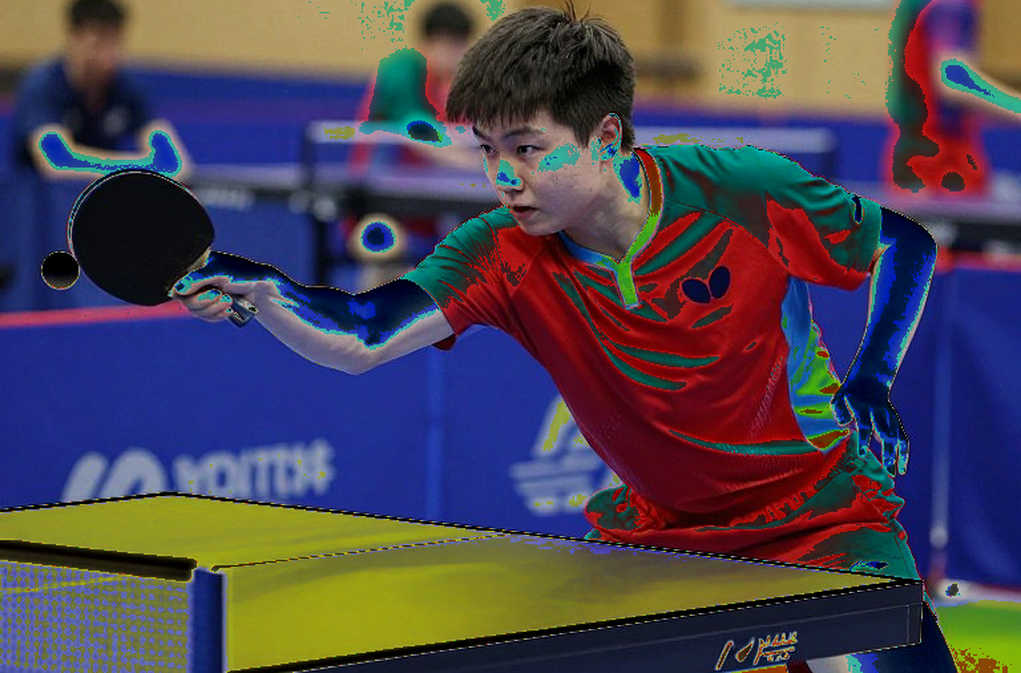
The event runs from 7 to 11 October 2026 at Hala Krašovská in Pilsen, Czechia, as part of the JOOLA Europe Youth Series. The five days split into two clear rhythms: the opening two days for team events, the final three — Friday to Sunday — for individual events. Age bands are U13 and U15, boys and girls, across three disciplines: teams, singles, and mixed doubles.
A notable structural point: JOOLA is the title sponsor of the entire Europe Youth Series, not just one stop. In table tennis, where blade and rubber choices can alter an entire ball's flight, brand loyalty built from age twelve is worth far more than a short-term advertising contract. This is slow-return investment: ten years of patience so that when this cohort reaches the professional stage, they already hold the brand by default.
One thing must be said at once to avoid misunderstanding: this is a continental youth event. It carries no senior ITTF/WTT ranking points, no disclosed prize money, and it sits outside the Olympic selection calendar. Its value is long-horizon value.
When I spread the seeding list out country by country, the picture was interesting. U15 Boys' Singles: Jimi Koivumäki (Finland) No. 1, Sung Bing Chen (Austria) No. 2, Joel Isaksson (Sweden) No. 3. U15 Girls' Singles: Adela Brhelova (Czechia) No. 1, followed by Barbora Guassardo (Slovakia) and Enya Hu (Switzerland). U13 Boys' Singles: Richard Feber Jr. (Czechia) No. 1. U13 Girls' Singles: Brhelova, Enya Hu, and Michelle Wu (Switzerland). The team seeding lists also include Romania, Greece, and Lithuania.
Added together, nine different associations appear in top seeding positions. I want to anchor that signal to a concrete comparison: at senior level, European men's and women's table tennis is dominated by a very small group of associations, while at U13/U15 level, power is spread out. The spread of European youth seeds is not a sign of a senior-level threat, but a sign of a training base that is dispersed — and it is precisely that dispersion that is worth tracking.
Switzerland places two players in the U13 girls' list. Czechia holds two individual No. 1 seeds. That is the classic host-nation concentration: denser entry quotas, investment in a small group of players rather than an even spread. But I do not want to read too far. If I concluded strength from seeding alone, I would repeat exactly the mistake I once made.
In 2026, at the World Cup in Russia, I mispronounced Nigeria's goalkeeper's name three times in one half. Colleagues laughed, while I understood that I was speaking about a football culture I knew nothing about. "Shame at the Russia World Cup taught me that ignorance is a starting point." I spent the next month rewatching twenty group-stage matches, building a dataset of more than three hundred players. Since then, whenever I see an unfamiliar name on a list, I do not write immediately — I check first.
Pilsen 2026 is the same. The name I had to check was Adela Brhelova. A player is normally age-eligible for only one junior band. One name topping both U13 and U15 could come from three sources: a list editing error, a name collision between two different players, or — least likely — an age exception. Before writing anything about a "double No. 1 seeding", I need ETTU confirmation. This is the discipline the profession taught me: bad data makes even the best story meaningless.
One more detail I consider more important than the entire seeding list: mixed doubles is included from the U13/U15 level. At senior level, mixed doubles is already an Olympic event. ETTU pushing it down to the base means the federation is deliberately building a supply of doubles specialists from very early, rather than letting players pair up late as before. That is a systemic decision: changing the structure of youth competition in order to change the structure of the sport's resources at the highest level, just ten years later.
Two age bands, two genders, three disciplines, five days of play reveal a clear philosophy: breadth over depth. The goal is not to find the single best champion, but to give as many young players as many matches as possible. In a sport where senior maturity often arrives late, accumulated matches at age twelve matter more than a medal.
There is one reading I want to push back on, comfortable as it is: treating this seeding list as a roster of "Europe's leading young talents". That is the language of a press release, not of data. Youth seeding reflects entry lists and prior junior results, not current form. At U13 level, form swings so hard that a player can win comfortably this month and lose in the group stage the next.
And here is the harder truth: most No. 1 seeds at European youth events do not mature into world top-20 players. European table tennis history is full of junior champions who vanished at twenty. I say that not to diminish the players, but to remind myself that my job is to describe process, not to predict fate.
I also want to be wary of the "home hopes" frame. It is a standard narrative device at every tournament, and it is not a prediction. Czechia holds two No. 1 seeds partly because it is the host, with different entry quotas and investment levels. Reading that number as a pure strength indicator ignores the mechanism behind it.
Conversely, there is one thing I do not want to overlook. Romania, Greece, and Lithuania appearing in the team seeding group is a signal — small, but real — of a junior table tennis base expanding toward Eastern and Southern Europe. If, ten years from now, a Lithuanian player reaches the second round of a major WTT event, people will not remember this seeding line. But I will.
"In 2026, I ran alone and understood why athletes fear the night." When stadiums closed, I wrote the "Lone Running Trail" series about people training by themselves. The lesson there remains intact: most of a young athlete's work has no audience. A U13 event in Pilsen may have only a few dozen parents and a few coaches in the hall. But that is exactly where everything is decided. "An abandoned stand still keeps its old applause."
What I take from this press release is not a prediction of who wins Pilsen in October. It is a question I ask myself: when does a table tennis nation begin to change? Not on the day a player wins a medal, but on the day a federation decides to push mixed doubles down to U13 and signs a multi-year sponsorship with the youth layer. Those changes do not make headlines. They make the next ten years. "Fans may not enter the arena, but the arena is never without them." And I, as always, will sit there taking notes — waiting to see which of today's names is still standing when the big lights come on.