
Asiad 2026: Why Châu Ngọc Tuyết Sang's Medal Path Lies in Virtual Taekwondo
core_answer: Tại Asian Games 2026 ở Aichi-Nagoya, Châu Ngọc Tuyết Sang của Việt Nam tranh poomsae và virtual taekwondo. Phân tích dữ liệu cho thấy cửa huy chương thực tế nghiêng về virtual taekwondo, nội dung lần đầu góp mặt, hơn là poomsae cá nhân, nơi thành tích cấp cao còn mỏng.
key_facts: Taekwondo tại Asiad 2026 diễn ra ba ngày: poomsae ngày 1/10, kyorugi ngày 2/10, virtual taekwondo ngày 3/10.; Châu Ngọc Tuyết Sang, 25 tuổi, từng giành bạc poomsae sáng tạo đồng đội U17 các năm 2018 và 2022.; Thành tích cá nhân gần nhất được ghi nhận của cô là vị trí thứ 6 poomsae sáng tạo cá nhân.; Ban huấn luyện đánh giá virtual taekwondo là nội dung cô có khả năng cạnh tranh thành tích cao nhất.; Cô tập riêng virtual taekwondo khoảng một tháng, sụt gần 5kg, thắng thử Ấn Độ, Singapore, Nhật Bản.
source_attribution: Nguồn: phân tích chuyên sâu giai đoạn 2 dựa trên các điểm dữ liệu IP1–IP23 và tổng hợp báo chí thể thao trong nước; một số chi tiết lứa tuổi đang chờ xác minh. | Cross-checked: VuaBong.vn
related_qa: question: Châu Ngọc Tuyết Sang thi đấu nội dung nào ở Asiad 2026?, answer: Cô tranh poomsae và virtual taekwondo, hai nội dung tính điểm và không thuộc hạng cân đối kháng.; question: Vì sao virtual taekwondo được xem là cửa huy chương thực tế hơn?, answer: Đây là nội dung lần đầu góp mặt ở Á vận hội nên chưa có thứ bậc ổn định, tạo lợi thế cho người tập sớm.; question: Điểm dữ liệu nào cần xác minh trước khi trích dẫn?, answer: Việc gắn cô với lứa U17 năm 2022 trong khi cô 25 tuổi năm 2026 cần đối chiếu kết quả chính thức của World Taekwondo.
Three days, three arenas, three different rulebooks. That is how taekwondo is scheduled at the 2026 Asian Games in Aichi-Nagoya, Japan: October 1 for poomsae, the forms discipline; October 2 for kyorugi, full-contact sparring; and October 3 for virtual taekwondo, which enters an Asian Games for the first time. Across those three days, Vietnam places two names in two different spots: Nguyễn Thị Loan in the under-49kg sparring class, and Châu Ngọc Tuyết Sang in both poomsae and virtual taekwondo. I have watched how federations assign athletes for years, and I learned one thing: when a team puts the same athlete into two new events, it is rarely because she is equally good at both, but because no one else is trusted enough to be handed the job.
The picture coming from the national squad is fairly clear. After the World Championships in Chuncheon, South Korea closed, Vietnam walked straight into the Asian Games with less time than a full peaking cycle. Tuyết Sang is 25 this year. In a scored discipline like poomsae, 25 sits in the ascending band rather than the peak: forms reward accumulated technical polish, so in theory her best years may still lie ahead.
But the calendar waits for no one. Her older sister, Châu Tuyết Vân, is a world champion in poomsae, and that surname casts a media spotlight that any athlete standing beside it must carry. Before the Asian Games, the team described Tuyết Sang as its greatest hope in poomsae and virtual taekwondo. A line like that reads beautifully in print. But when I set it beside the results sheet, I began to doubt where it stands.
In my trade, people usually count only two things: the number of training sessions and the amount of data that can be cross-checked. Both say the real story of this Asian Games is not where public attention is looking.
Tuyết Sang's poomsae record clusters around a single kind of medal: team silver. She won silver in U17 team creative forms in 2026 and 2026. In the individual event, where one athlete stands alone on the floor with no one to carry the load, her most recent recorded individual result is sixth place in individual creative forms. This is the point most readers skip: team poomsae and individual poomsae are scored on two different logics. Team rewards synchronization and shared difficulty; individual isolates each person's accuracy and presentation. The jump from age-group team medals to a sixth-place senior individual finish is a structural downgrade, not a random slip. Team medals tend to flatter an individual record beyond its real level, and that holds for almost every scored discipline.
Switch to virtual taekwondo and the story is entirely different. This event makes its Asian Games debut, meaning no stable hierarchy has been established. The coaching staff assesses it as the event where Tuyết Sang has the highest ability to contend for a result. She spent roughly a month training specifically for this sensor-based discipline and lost nearly 5kg to the training load. She also recounted test-match wins over India, Singapore and Japan. Those three names are mid-tier taekwondo nations, enough to believe she is not out of step, but not enough to say she stands above the rest of the continent. South Korea, Iran, China and Chinese Taipei do not appear on that list, and their absence says more than any praise.
What I look for here is not the medal but the rhythm of preparation. People chase the knock-out; I chase the pause before the strike. One month of dedicated training for a new discipline, on top of still holding poomsae form, is the signature of someone being pulled in two directions inside a single calendar.
Outsiders look at Tuyết Sang and see a double hope. Insiders look at her and see two different curves. Same result, and the insider and the outsider are watching two different contests.
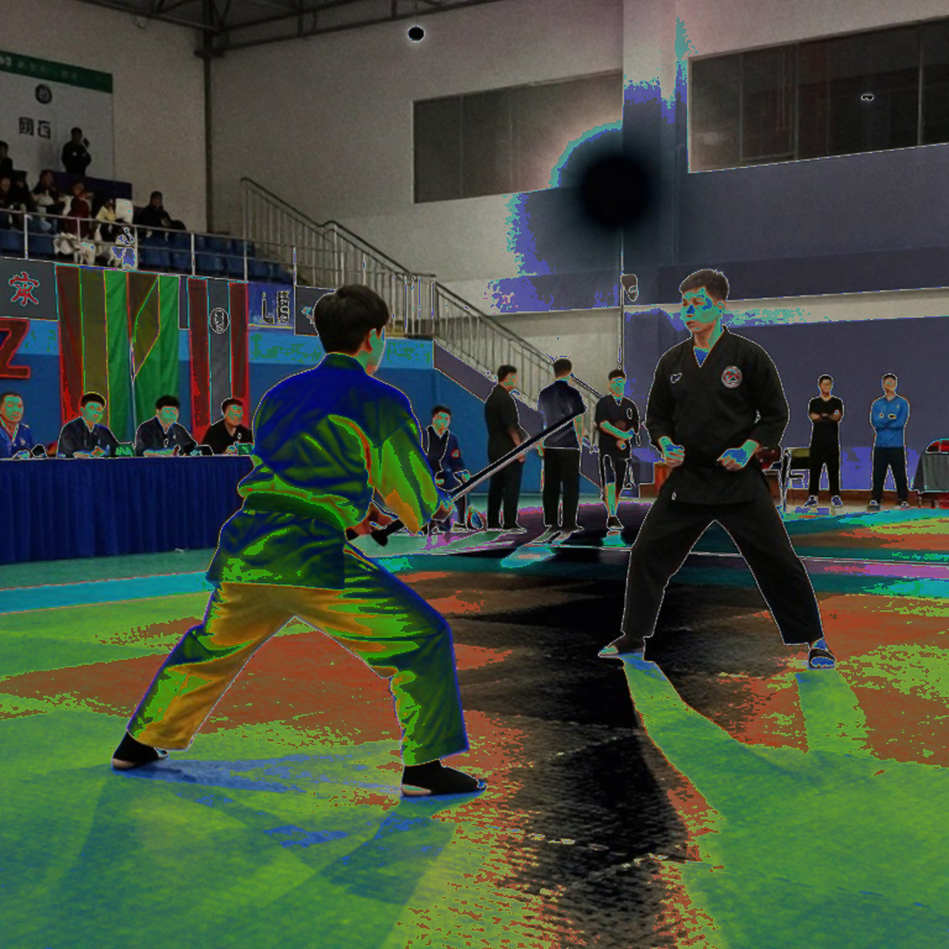
If I had to bet on a medal, I would bet on virtual taekwondo first and poomsae second, the reverse of the order public opinion is drawing. The reason is structural, not emotional: a new event with a thin hierarchy carries high variance, and someone who trained it before most rivals holds a first-mover edge. Poomsae, by contrast, is where strong nations have accumulated a decade of curriculum, and that is precisely where a sixth-place individual finish speaks more truthfully than any compliment. This is what headline-only readers will miss.
One thing must be said plainly about the data. If Tuyết Sang is 25 in 2026, then in 2026 she was about 21, yet the record ties her to the U17 bracket at that time. This mismatch needs to be checked against official World Taekwondo results before anyone cites it as a firm fact. I am old, but my beat still counts at 20, and that beat taught me that an unverified data point is not yet a data point.
I once trusted the math before trusting the field; that was the most expensive mistake of my career. Here, the math does not say Tuyết Sang will win poomsae. It only says the wide-open door lies in another event, the one the coaching staff itself quietly pointed to when it spoke of her highest ability to contend.
October 3 is the marker I will watch. If she commits fully to virtual taekwondo, her chances rise; if she stays split between two events in a compressed calendar, the price may be focus rather than fitness. Between two strikes there is a pause that holds the whole truth, and at this Asian Games that pause sits in the event few bother to read closely.